Understanding the stakes with water damage
Water finds paths you wouldn’t expect, especially in larger homes across Washington. A slow leak behind a wall can lead to mold growth, warped wood, and ruined insulation if left unchecked. A restoration specialist understands how moisture moves through framing, drywall, and finishes, and how to stop it at the source rather than chasing symptoms.
Initial steps like stopping the source and drying surfaces are important, but without professional equipment and a trained eye, hidden moisture can remain. In Washington, humidity swings and seasonal rain can create a perfect environment for ongoing issues. Knowing when to call a restoration crew helps you avoid bigger problems later.
DIY steps that are reasonable to try early
Shut off the water if you can locate the leak and contain the area to prevent secondary damage. Use towels or a pump to remove standing water on non-porous surfaces. If the area has dried, you can help by opening windows and using fans to improve air flow. Document the damage with photos for insurance if needed, but don’t disturb the affected structure more than necessary.
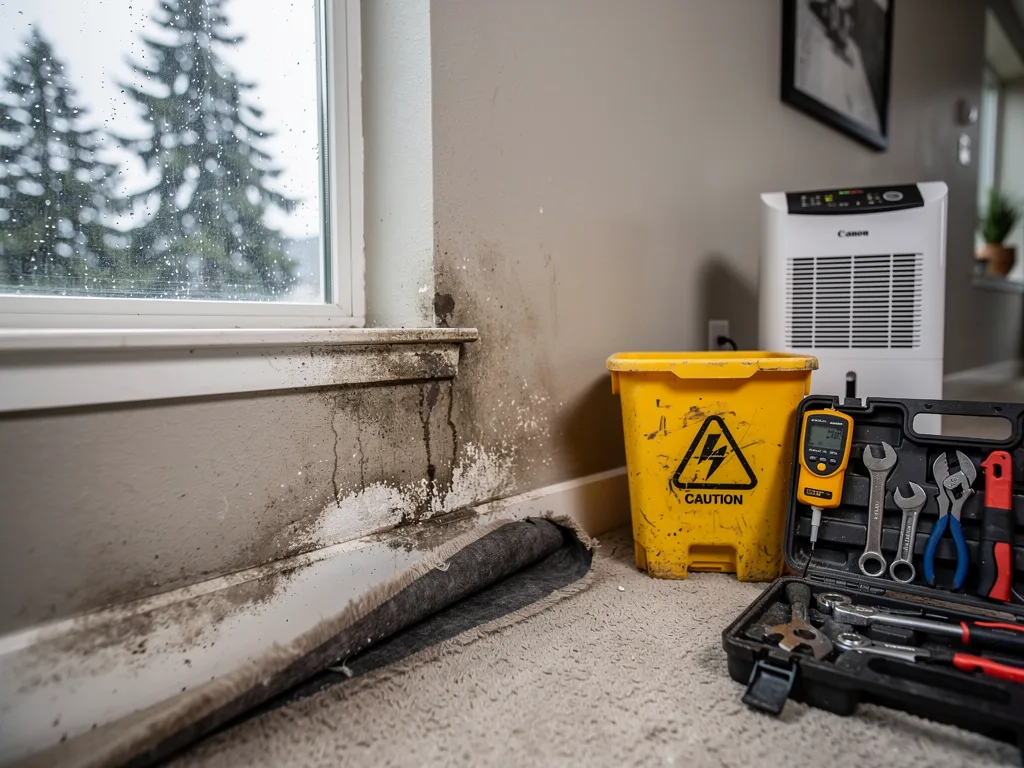
Keep an eye on drywall and baseboards for soft spots that indicate deeper moisture. Do not attempt major demolition or removal of materials without guidance from a restoration specialist. In Washington, a phone call to a restoration team can clarify whether what you’re doing helps or hurts the underlying issue.
When to call a restoration specialist
Call a restoration specialist when you notice dampness that doesn’t disappear after a day, when there is a strong or persistent musty odor, or when you see staining that spreads. If your home has flooded, if you’re unsure how far the water traveled, or if you see warping in walls or flooring, that’s a signal to bring in the pros. Washington Fire Damage Pros can coordinate a thorough assessment for residents across the state.
What to expect from a professional response
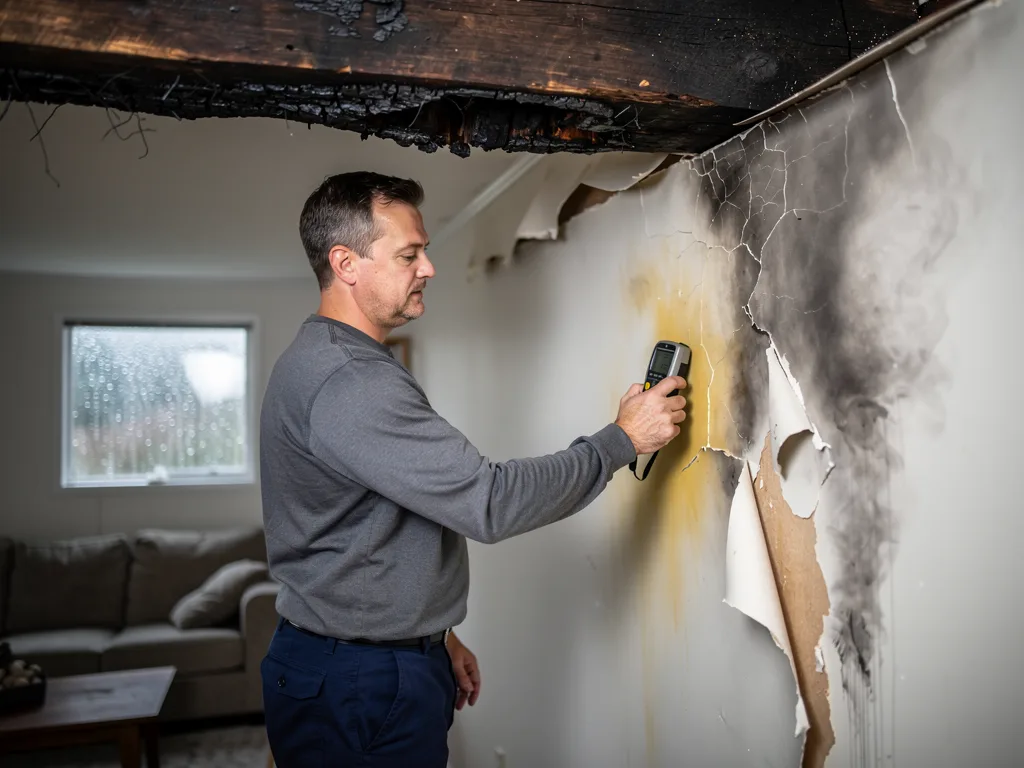
The team will perform a moisture assessment using specialized devices, extract standing water safely, and set up dehumidification to control humidity. They’ll document affected materials and determine what can be dried and restored versus what needs replacement. The goal is to return your home to a safe condition while protecting your property value.