Spotting the early signs of smoke damage
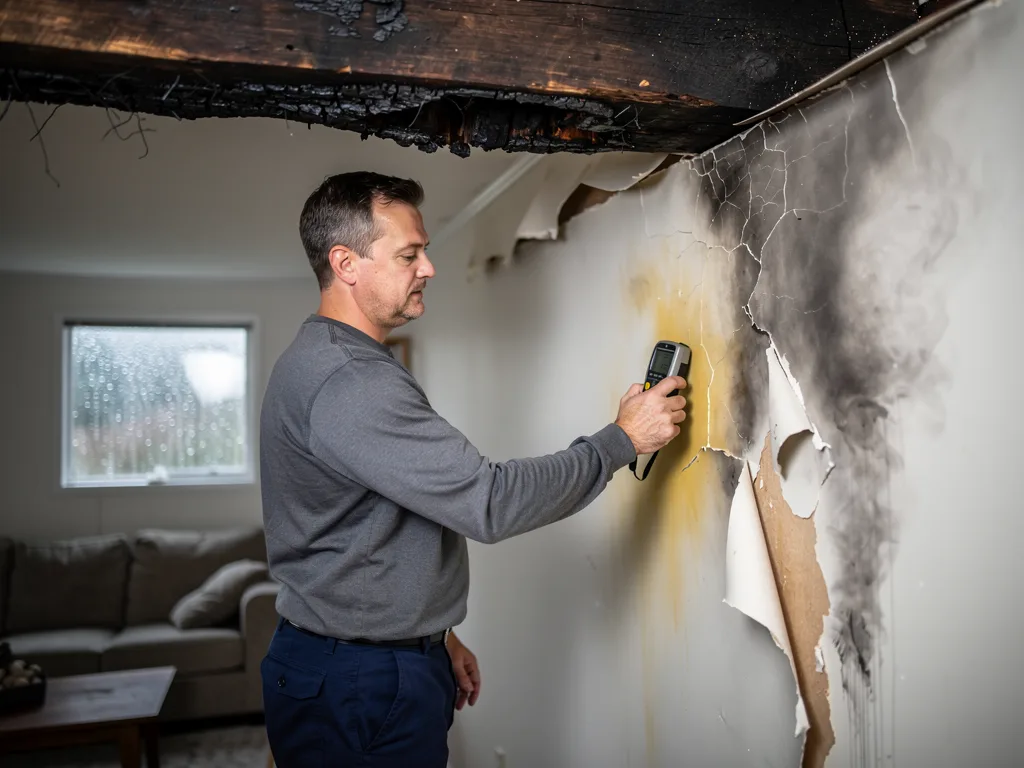
Washington homeowners who’ve experienced a fire or smoke incident often notice more than visible scorch marks. A restoration specialist will tell you to look for lingering odors, gray or black staining on ceilings and walls, and staining around vents and outlets. In many homes across Washington, smoke can travel beyond the obvious rooms, leaving a subtle layer that hides behind furniture or under baseboards. If you detect a persistent smell or see faint discoloration, it’s a signal to bring in a restoration crew for an assessment.
Odors aren’t the only clue. Soot can settle in ways you don’t expect. You might notice sticky residue on surfaces after cleaning, or see discoloration on fabrics, blinds, and curtains. In Washington, moisture complicates smoke lingering, so look for damp spots that worsen when humidity shifts. A restoration specialist will check these indicators to determine if further work is needed.
Why early recognition matters in a statewide context
Across Washington, rapid identification helps prevent long-term damage. Soot can affect air quality and ventilation systems, and moisture can set quickly in during wet seasons. A fast, informed response protects your home’s structure and your family’s health. Restoration specialists in Washington crews are trained to assess material conditions and tailor cleaning plans that address both surface and hidden damage.
Delays can lead to higher remediation costs and more invasive work later. If you’re unsure, a free phone consultation with a restoration specialist can help you decide whether an on-site assessment is worthwhile. Washington Fire Damage Pros provides guidance that keeps homeowners informed without pressure.
What to expect during an on-site assessment
During the visit, a restoration specialist will inspect walls, ceilings, and HVAC connections for soot and odor migration. They’ll also check for moisture in walls and insulation that could trap smoke smells. You’ll get a clear plan with steps, materials, and a rough timeline. The aim is to restore air quality, prevent secondary damage, and return your home to a safe, comfortable state.
In many cases, cleaning and deodorizing are the first steps. If materials have suffered irreversible damage, the specialist will explain options for reconstruction or replacement. The key is honest communication and a plan you can follow across Washington, not just in one neighborhood.
Practical steps you can take now
Open windows if the weather allows and run a ventilation system to improve air flow. Remove soft goods that trap smoke smells if possible, but avoid moving heavy items that could shift ash or soot. If you have pets, keep them away from the affected area until a restoration specialist has evaluated the space. These actions help keep the situation manageable until a professional assessment arrives.